


How the 2027 Chevy Blazer EV Makes Charging Easier
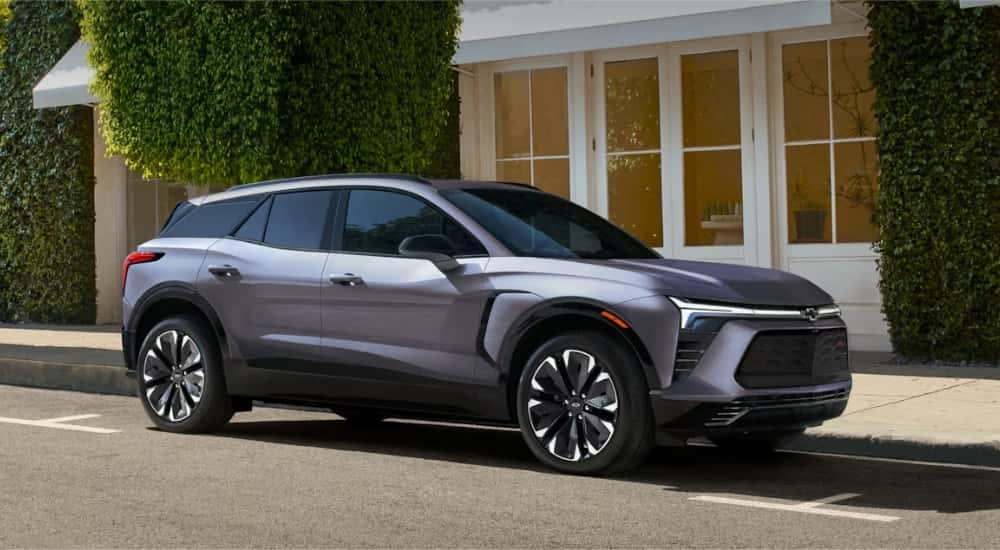
While the 2027 Chevy Blazer EV didn’t receive a long list of changes for the new model year, one update makes a meaningful difference for drivers: the move to the North American Charging Standard (NACS) connector. This represents a major upgrade from the Combined Charging System (CCS) port found in previous model years.
The updated connector aligns the Blazer EV with the increasingly common NACS standard and gives drivers a more convenient way to connect to compatible charging stations. So, what does changing the charging port actually mean for owners? More importantly, how could the switch affect your experience with the 2027 Blazer EV over the course of everyday driving?
Moving to a Smaller Port Makes It Easier to Plug & Charge
Before the 2027 model year, the Blazer EV used the Combined Charging System. CCS supports both AC charging and DC fast charging, but its connector is larger and more complicated than the newer NACS design.
CCS became a widely used charging standard in North America during the 2010s, giving EV drivers a common connector for AC and DC charging. However, the plug was bulkier than necessary because it simply added DC charging pins to the already established J1772 AC charging plug.
CCS may have had a bulky design, but it offered very fast charging capabilities and allowed for owners to choose how to charge their vehicle. The versatility of combining AC and DC charging is what helped make it popular in North America. The downside, of course, is that its design was cumbersome and it competed with other plug options, and that’s where the new NACS port comes in handy.
A More Compact Charging Connector
While most EV manufacturers either adopted the CCS plug or stuck with older designs like CHAdeMO, Tesla decided to create a more compact plug for its vehicles. This resulted in the current NACS design, which has since been adopted by nearly every major American car manufacturer for an improved charging experience.
The NACS port, also known internationally as SAE J3400, offers a more compact design, a smaller plug, and a more protected way to safely charge your vehicle at home or at a public charging station. This is because the NACS charging solution combines the AC and DC pins into a shared five-pin design.
The design also reduces the number of exposed connector components a driver has to handle when plugging in or unplugging a cable. For people who don’t want to have to worry about being more gentle with the charging cable, this helps a lot.
The compact plug makes the connector easier to handle, particularly when you’re connecting or disconnecting the vehicle at home or at a public charging station. Its simpler physical design is one of the practical differences drivers notice when moving from CCS to NACS. One less reason to worry about the connector is an added reason for liking the NACS upgrade for the 2027 Blazer EV.
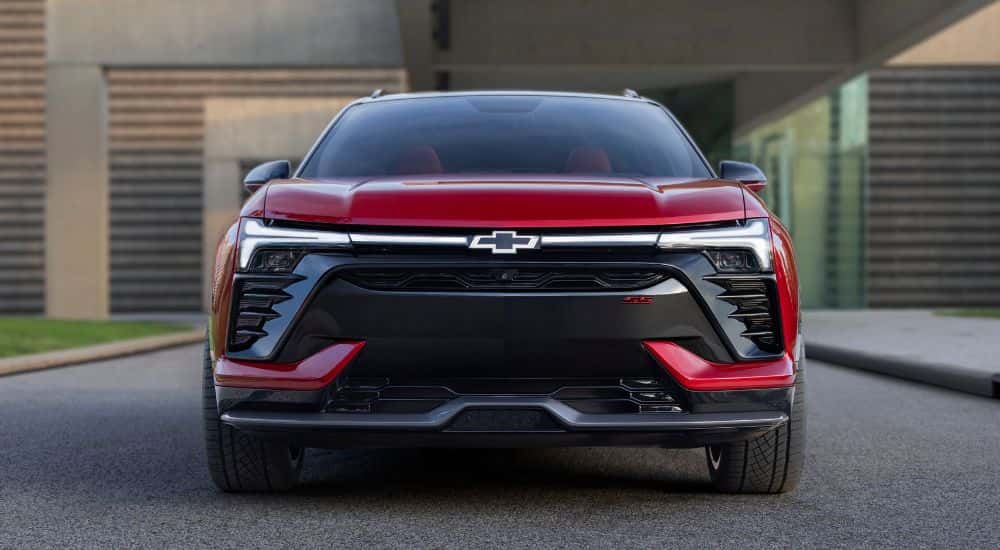
New Plug, Easier Access for Your Blazer EV
The NACS upgrade also has implications beyond connector size. Drivers can benefit from access to a broader network of compatible charging stations, making public charging easier to incorporate into longer trips. ou can quickly pull up, plug in, charge, and be back on the road.
While public charging infrastructure is rapidly expanding, the largest collection of public fast charging stations is still the Tesla Supercharger network. The NACS port allows the 2027 Chevy Blazer EV to connect directly to a Tesla Supercharger without needing an adaptor, providing a simpler and faster charging experience.
The compact connector can also be easier to handle around the house, especially when storing the charging cable between uses. For those who prefer a more aesthetic look for their charging layout, NACS makes it easier to set up a home charger without dealing with the cumbersome design of the CCS cable.
Access to Level 1, Level 2, & Level 3 Charging
The new update to the NACS charging port keeps charging accessible across all three levels of charging. This includes Level 1 charging via a 120-volt outlet, which can provide you with slow charging even if a dedicated EV charging station is not available. You can charge your Blazer EV easily from the driveway using any standard three-prong 120-volt outlet in your garage or home.
For drivers who want faster home charging, a Level 2 charger uses a 240-volt connection and can replenish the battery considerably faster than a standard household outlet. This improves charge times over Level 1 and allows you to top off or fully recharge your Blazer EV from the comfort of your home. Level 2 chargers are also found in the parking lots of many public locations, letting you top off your battery at a hotel or mall.
The following comparison illustrates how Level 1 and Level 2 charging differ in power, voltage, and estimated range added per hour.
EV Home Charging Comparison |
||
|---|---|---|
| Charging Type | Level 1 Charging | Level 2 Charging |
| Kilowatts (kW) | 1.4 kW | 11.5 kW |
| Voltage | 120 volts | 240 volts |
| Range per Hour | 2-4 miles per hour | 30-40 miles per hour |
DC Fast Charging
For longer trips, DC fast charging provides a much quicker way to replenish the battery than Level 1 or Level 2 charging. The 2027 Blazer EV supports DC fast charging speeds of up to 190 kW. Actual charging times and range added can vary based on factors such as the charging station, battery temperature, state of charge, and the vehicle’s maximum charging capability.
The NACS connector gives drivers access to more than 29,000 compatible DC fast-charging stations across North America, with the network continuing to grow. This gives you added support for quickly charging your Blazer EV wherever your travels take you.
The myChevrolet mobile app makes it simple to find a compatible public charging station when you are out and about. It can also help you plan a route around available charging stations, taking into account your vehicle’s range. You can also use native Google Maps on the 2027 Blazer EV’s 17.7-inch infotainment screen to locate and navigate to public charging stations.
Standard Across Every Trim
NACS charging is standard across the 2027 Blazer EV lineup, so shoppers don’t have to choose a particular trim to get the updated connector. This makes it easier to focus on the trim features rather than worrying about whether the trim has the standard equipment to charge efficiently. However, you should still be aware that the SS trim has a larger battery and supports higher charging speeds than the LT and RS trims.
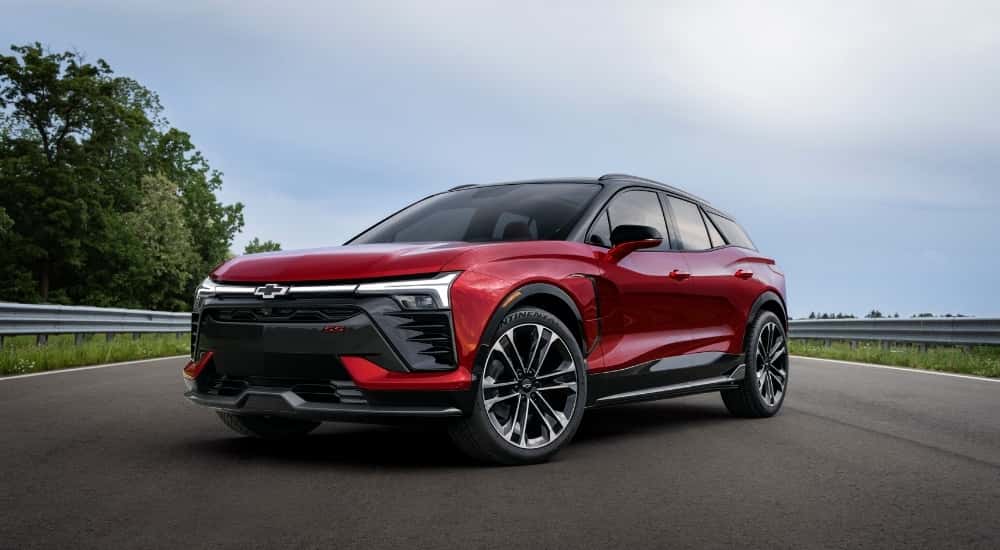
Consider a 2027 Chevy Blazer EV for Your Next SUV
For shoppers considering an electric midsize SUV, the NACS transition provides a practical change to the charging experience, while available features such as Super Cruise and Google built-in add to the Blazer EV’s technology-focused appeal. The modern design and stylish lines are going to easily appeal to those who want a distinct aesthetic for their BEV.
The best way to understand what the Blazer EV drives like and how the new updates make charging more accessible is to get behind the wheel yourself. At DePaula Chevrolet, our team can answer your questions about the 2027 Blazer EV, its charging capabilities, and its latest updates, while helping you schedule a test drive.


0 comment(s) so far on How the 2027 Chevy Blazer EV Makes Charging Easier