


How Do You Compare Two Used Vehicles Before Buying?
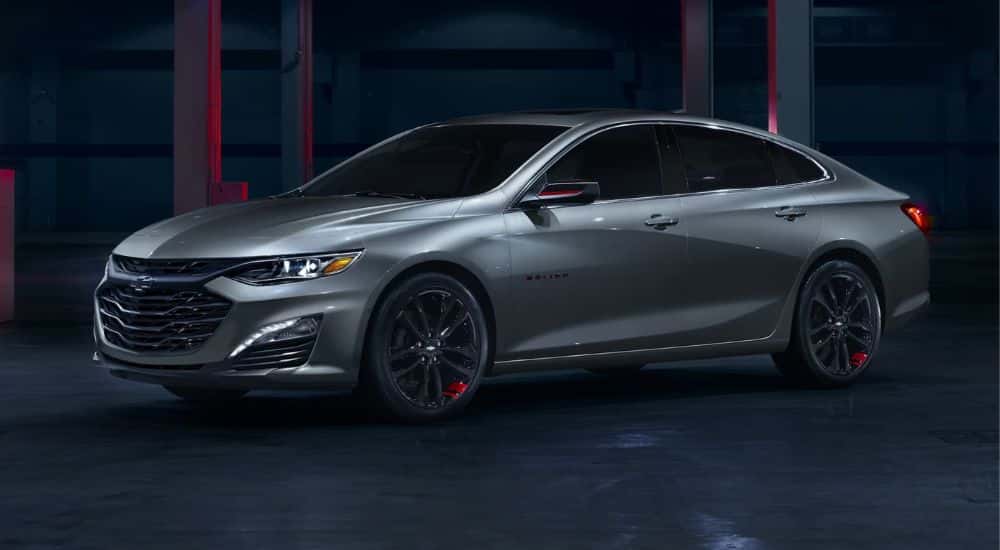
When comparing used cars for sale, you want to find a vehicle that fits both your budget and your everyday driving needs. Once you’ve narrowed down your choices to two vehicles, comparing a few key criteria can help you determine which one better matches your priorities.
In particular, you should look at price, condition, features, longevity, and vehicle history. Comparing these factors can help you determine which vehicle better aligns with your ownership goals. We’ll go through some of these comparison tips so that you know exactly what to look for and how to compare the two vehicles.
Comparing the Features
Features can be easier to compare when you separate your must-haves from equipment that would simply be nice to have. Start by identifying the features that matter most to you, then compare how each vehicle meets those priorities.
Have your top three features and then list the other features that may not be as important but that you would still like to have. See how each of the two vehicles compare to your must-haves and then go through the less important items on the list to see which vehicle also meets more of the secondary list of features.
When comparing each used vehicle’s equipment list to your must-have features, consider whether you prioritize details like a power driver’s seat, automatic climate control, smartphone connectivity, or modern infotainment. Then consider whether the equipment you gain or give up justifies the difference in asking price.
Safety & Tech
Safety equipment deserves its own comparison because two used cars in the same class can offer very different levels of driver assistance. Safety equipment deserves its own comparison because two vehicles in the same class can offer very different levels of driver assistance. Look for features such as:
- Automatic emergency braking
- Blind-spot monitoring
- Lane-departure warning
- Adaptive cruise control
- Rear cross-traffic alert
- Parking sensors
- Surround-view cameras
The same applies to features like the infotainment stack. You may want to compare technology such as touchscreen size, digital instrument displays, smartphone integration, and available head-up displays. These are the features you should have on a checklist when comparing the two vehicles across their available trims and price points.
If one vehicle costs more because it includes additional equipment, consider whether those features provide enough value to justify the price difference. You may also need to decide which features you’re willing to give up based on differences in price, condition, dependability, or vehicle history. These all have to be weighed to see which used car suits your criteria.
Comparing the Condition
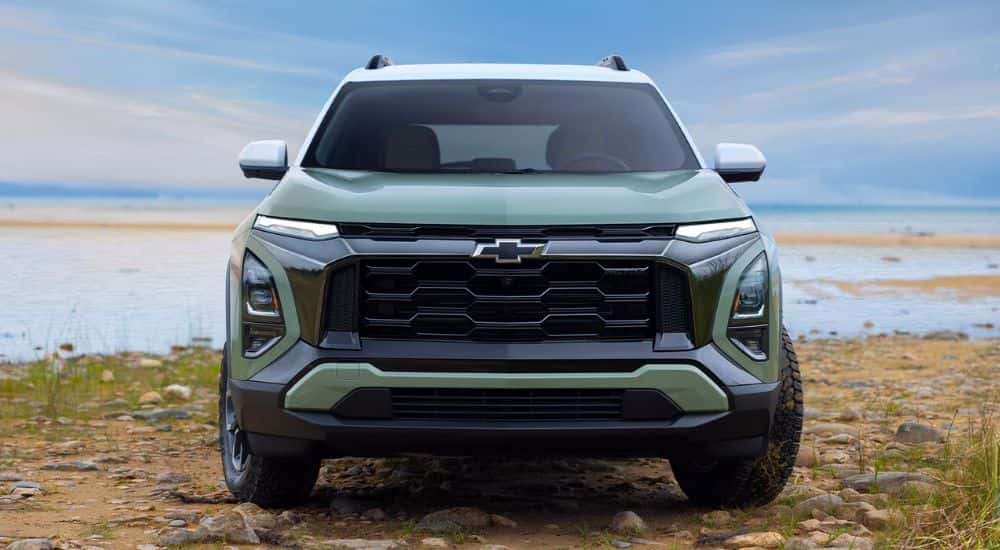
When comparing two used vehicles, condition is extremely important. This can include the vehicle’s exterior appearance, such as paint and panels, as well as performance, tech, and safety. Appearance can tell you a lot about how a vehicle was treated, but the mechanical condition is equally important.
If the two vehicles seem similar at first glance, inspect both the exterior and interior for signs of neglect. Your list should include rust, body damage, dents, scratches, worn upholstery, damaged trim, and other issues that may warrant a closer inspection.
Cosmetic condition should be part of your comparison, but don’t let appearance outweigh more important factors such as mechanical condition, maintenance history, and price. For example, a vehicle with some cosmetic imperfections may still be the better value if its mechanical condition and maintenance history are strong and its lower price reflects the cosmetic imperfections.
Performance & Handling
A vehicle’s condition extends well beyond its appearance. During a test drive, pay attention to how the engine, transmission, steering, brakes, and suspension perform. A vehicle may look worse for wear but still perform well on the road, making a test drive an important part of your comparison.
Mileage should also be compared, along with how each vehicle’s mileage relates to its age, condition, and maintenance history. After reviewing those details, test-drive both vehicles to see how they perform on the road. Whether you’re comparing two sedans, two trucks, or two SUVs, you’ll want to get them out on the road and see how each handles.
- How responsive is the steering?
- How responsive are the brakes?
- Does the engine sound smooth and consistent?
- Does the transmission shift smoothly?
- How well does it accelerate?
These are the things you should be monitoring when comparing two used cars. If one handles better than the other, you need to note that during the comparison. In the same way, if you like the way one handles but notice it sputters, knocks, or pulls to one side, you should definitely take that into consideration.
Comparing the Vehicle History
One of the best ways to compare two used vehicles is to review their service and ownership histories. Reviewing how often each vehicle was serviced and why can reveal how consistently it was maintained and whether it has experienced recurring problems.
This is just as important as all of the other checklists because you’ll want to make sure the vehicle doesn’t have any unwelcome surprises in its past. The more details you can acquire about the vehicle, the better. That is why we always provide a CARFAX vehicle history report with every used car we sell.
A consistent maintenance history can provide useful clues about how the vehicle was cared for and what maintenance needs may be approaching. Conversely, repeated repairs involving the same component or system should prompt you to investigate those issues more closely before making a decision.
A History of Reliable Service
A long list of service records does not necessarily mean that a vehicle has had problems. In many cases, those records can show that the previous owners consistently followed the recommended maintenance schedule. Look for consistent maintenance performed at the recommended intervals, while also noting any major repairs or recurring issues.
Regular oil changes, fluid services, inspections, and other maintenance performed at the recommended intervals can indicate that previous owners kept up with the vehicle’s needs. That history can give you greater confidence that the vehicle received appropriate care, although it does not guarantee how it will perform in the future.
Gauging the histories of the two vehicles is a good indicator of what you can expect from each if you decide to buy. If one vehicle has consistent maintenance records and fewer indications of unresolved major issues, it may be worth prioritizing for long-term ownership.
Comparing the Price
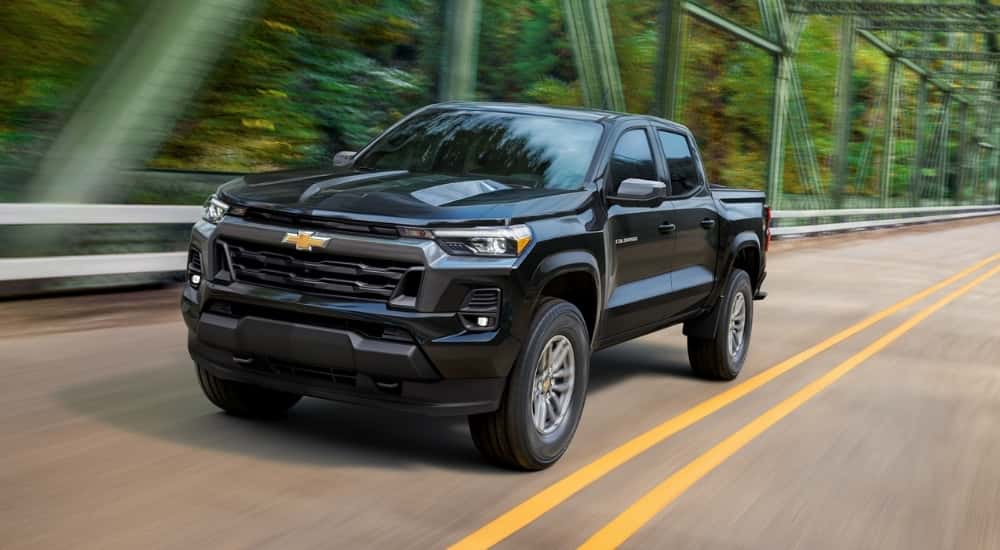
When comparing two vehicles, the upfront price is only one factor. Long-term ownership costs can also have a significant impact on which vehicle represents the better value. The service history can provide clues about upcoming maintenance needs, while mileage, previous ownership, and accident history can also affect your potential ownership costs.
A vehicle with a higher upfront price may still offer better overall value if it has lower mileage, more equipment, better documented maintenance, or fewer signs of damage. This is another important thing to consider when shopping and choosing between two used cars.
You’ll also want a checklist to compare what the vehicles are worth and what they offer, along with other factors such as condition, equipment, mileage, and age. Keep a checklist comparing the two vehicles along the lines of:
- Asking price
- Mileage
- Trim level
- Equipment
- Vehicle age
- Condition
- Accident history
- Number of previous owners
- Comparable market prices
- Remaining warranty coverage
- Expected near-term maintenance
- Tire and brake condition
Need Help Comparing Used Vehicles?
Comparing two vehicles is an important step, but you don’t have to make the decision on your own. The team here at DePaula Chevrolet can help you review your options, compare features and condition, and learn more about our financing and ownership resources.
Our team can provide guidance on financing and help you consider your long-term ownership goals as you compare your options. If you have two particular used vehicles you’d like to compare, reach out to us, and we can provide additional information or help schedule test drives so you can evaluate each model in person.


0 comment(s) so far on How Do You Compare Two Used Vehicles Before Buying?