


A Brief History of the Malibu: From Muscle Car to a Fuel Efficient Ride
The Chevy Malibu is a classic sedan that’s been thrilling drivers for decades. It’s important to understand the history of its success because the iconic model has existed for decades and has built upon a legacy of innovation and performance. There are good reasons why a model last for decades; this goes double for the Malibu, which is now Chevy’s standout sedan. After we examine its history, you’ll better understand how the Malibu has lasted so long and how it’s made a name for itself in automobile history. If you’re looking for a reliable Saratoga, NY Chevy Malibu dealer, you’ve come to the right place here at DePaula Chevrolet. We’re passionate about the Malibu and want to share its rich history with you. Once you walk through its story, we think you’ll see why this ride is worth considering if you’re looking for a great midsize sedan.
An Overview of the Malibu
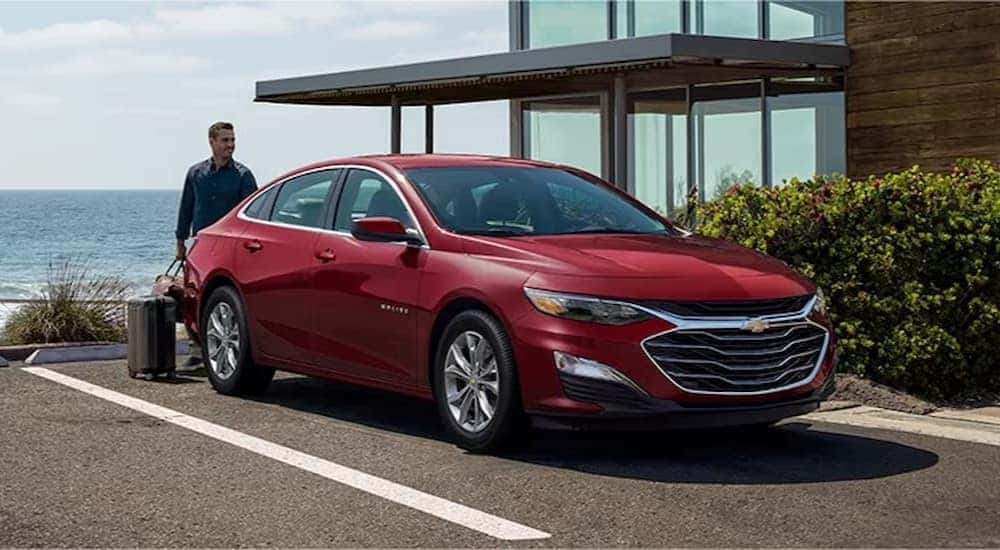
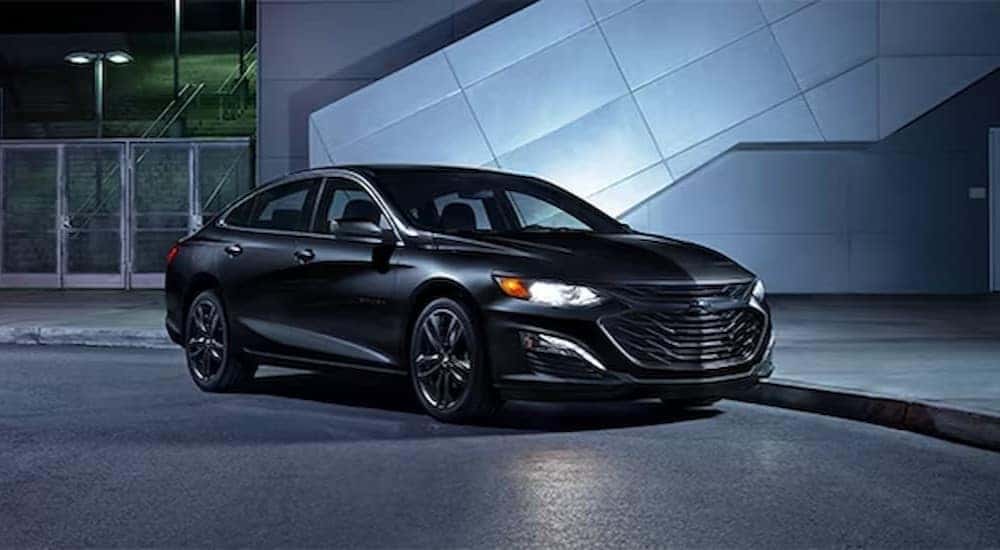
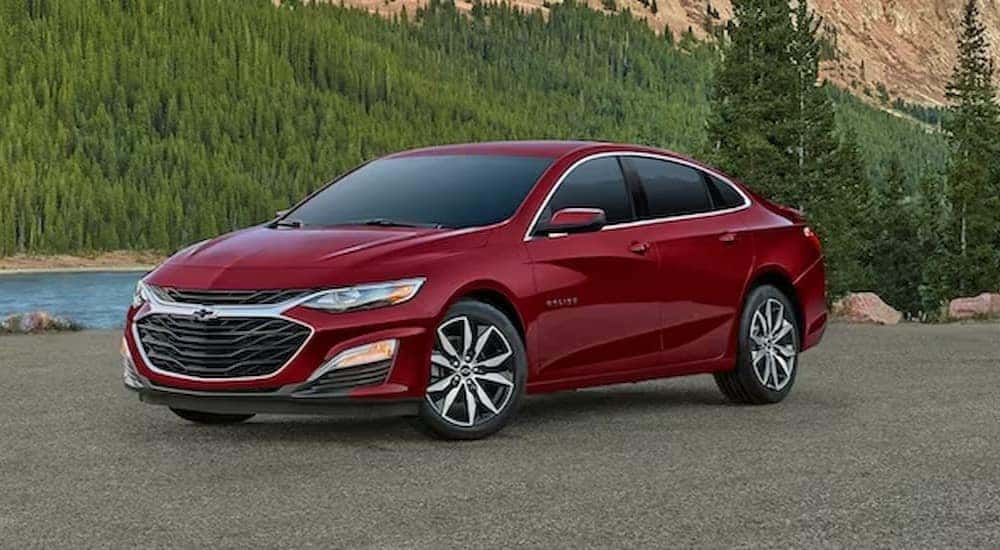
The Chevy Malibu is a midsize four-door sedan that offers a perfect combination of class and utility. It has impressive fuel efficiency and plenty of cargo space while remaining affordable for the average driver. The Malibu features an assortment of trims, as well as special editions, such as the Midnight and Redline Editions. These special editions turn the Malibu into a sporty sedan, giving it a look that exudes coolness and will impress all who pass by it on the road. The Malibu has become remarkably versatile over the decades, evolving and improving on its strengths each year. However, it has always set trends, even from its beginning. Let’s take a look at how we got to the current model we see today.
The Malibu’s Early Years
The Malibu first arrived on the scene in 1964, when LBJ was still president, the personal computer was barely a dream, and TVs offered only a few channels. The initial Malibu came in multiple forms, including a 2-door convertible that still looks cool today. The Malibu SS took the nation by storm as its powerful engine gave drivers 300 hp upon release, later hiking it to 350 hp in later years. A glance at the models from the mid-1960s shows cars that uniquely stood out in an era where most cars had a manufactured look. The Malibu’s cabin placement and design seemed to replicate that decade’s view of the future. Even now, while our brains know those models are old, something about them still seems fresh.
Plus, the car’s stature made it muscular, letting the driver feel empowered and in command. It soon became one of the defining sedans of the muscle car era (rising gas prices eventually ended this era; the wallet wins out in the end). Drivers remained satisfied and treasured their Malibu models, and thanks to their high-level performance, they would rule the road for years after their purchase. The 350 small block engine, for example, which debuted with the Malibu’s second generation in the late 1960s, stuck around until 2003; now that’s efficient innovation.
The Turbulent 1970s
The Malibu made a name for itself during those beginning years, eventually leading to its participation in NASCAR races. You have to have quite an impressive vehicle to compete and rank, as the Malibu repeatedly did. Its presence in NASCAR increased its popularity even further, with customers flocking into dealerships to purchase the latest model.
In the late 1970s, the Malibu shortened a bit to match the expectations for better fuel efficiency from both the government and consumers. Rising gas prices resulted in new standards that needed to be followed, so many models on the market had to adapt. The Malibu’s fuel efficiency improved drastically, an element of the car that remains the same today.
Sadly, though, the Malibu’s smaller stature did not win over as many consumers and sales of the Malibu began to lag. Chevrolet soon discontinued the line at the advent of the 1980s. But even when discontinued, the name Malibu stuck around. The name itself summoned an image and a feeling, something that Chevrolet noticed over time. Before long, the Malibu would have its comeback.
The Grand Return
As the new millennium approached, Chevrolet placed the Malibu back on the market. The name excited drivers, who grew eager to see how it would perform in a much more crowded marketplace. Luckily, Chevy did not disappoint. In 1997, the Chevy Malibu, sometimes referred to as a Chevy Classic by dealerships, arrived back on the scene but with quite a few differences than before. The classic muscle car, while still an awesome look, was less in demand by consumers. While car enthusiasts would surely line up to check it out, families valued affordability, both with its starting price and at the gas station. A gas-guzzling muscle car just wouldn’t fly anymore.
So, the 1997 model, which would go on to win multiple car awards, instead opted for a smaller size and an engine that aimed for fuel efficiency instead of muscular performance. Some old Malibu fans may not have loved the changes, but the public sure did, and the Malibu once again became a must-buy sedan. What drove families to that award-winning 1997 model is largely what drives customers to it today: an affordable, well-made sedan complimented by an array of helpful safety features.
Evolving to the Present Day
If you could level one complaint at the 1997 model, it would be that it didn’t quite have the visual flash the original Malibu did. The models of the late 1990s were built with a purpose in mind instead of aesthetics. It didn’t take long for the sedan to become a treasure on the road while still keeping its efficiency and affordability. Throughout the 2000s, the Malibu turned into a sleeker, shinier ride. By the time of the 2008 model, the Malibu gained a bit of personality in its grille, which seemed to harken back to the old days of muscular driving. The variation in trims increased, and its luxury touches grew. Elements of the Malibu’s current special editions began to crop up over the ‘10s as Chevy experimented with its hallmark sedan.
At the same time, some of the other Chevy sedan models were discontinued. The Malibu, however, remained. A large part of this was its excellent efficiency, but its name played a part, too. Even if the current Malibu doesn’t visually reflect much of the ones from the days of LBJ, the name still has power. It helps, of course, that the Malibu now has a sense of cool that outdoes most other sedans. Some models during the 2010s dabbled with hybrid engines, reflecting the modern consumer’s desire for fuel efficiency. While the current model does not have a hybrid option, plenty of well-maintained used models still exist for sale.
An Enduring Legacy That Continues to Grow
When historians write the history of the Malibu, one of the biggest takeaways will be how much it has evolved and what that clearly is a reflection of consumer demands. During the days of Star Trek and I, Spy, the public yearned for muscle cars, cars that looked good and drove fast; the bigger, the better. Now, in our era of high gas prices and busy roads, the public looks for fuel-efficient vehicles that offer smooth, comfortable rides for long trips.
The Chevy Malibu evolved to match these changing tastes, which is quite an achievement when considering just how far apart those tastes were. While we think about gas costs and performance, there is another side to automobiles; how they reflect history. The history of 20th-century America can be told with the evolution of the car, and the Malibu will always be an integral part of that tale.


0 comment(s) so far on A Brief History of the Malibu: From Muscle Car to a Fuel Efficient Ride