


Car Accidents: How to be Prepared Ahead of Time
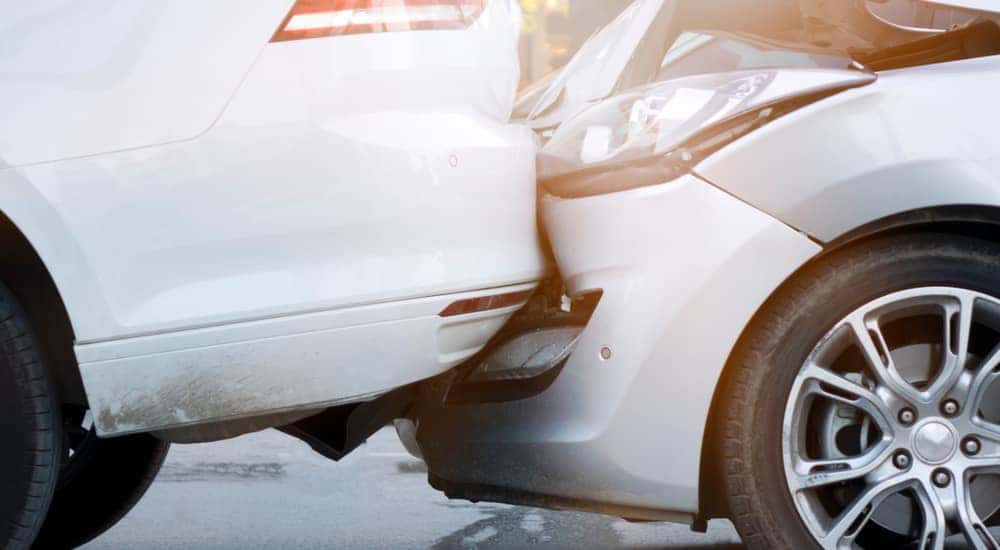
You may think it’s a bit too silly and ambitious to prepare for a car accident before it’s even happened. After all, you’ve never had any issues in your car, and that outlook is pretty pessimistic.
Yet when you’re dealing with an aftermath of a car crash, you’re going to regret not being a bit more prepared. There’s a lot to keep in mind in the moments following a wreck, and there’s no doubt that you won’t be in the most stable frame of mind. That’s why it’s a good idea to keep the helpful hints below with you in anticipation.
While your local auto body shop will be happy to repair your accident-damaged vehicle, you can reduce the cost and pain by being ready. How do you brace yourself for such an event? Check out our strategies below…
Understand Your Insurance Policy
Following an accident, you’ll want to call your insurance agent as soon as possible. Prior to that, though, you’ll want to make sure that you completely understand your agreement with your insurance company.
The concepts and terms used in an insurance policy can be hard to understand, and we don’t blame you if you’re not familiar with the specifics. After all, Jeanne Salvatore, the vice president for public affairs and consumer spokesperson for the Insurance Information Institute, told Bridget Mintz Testa of Edmunds.com that most people file a claim every eight to 10 years, reducing the necessity to read through these documents.
Regardless, you shouldn’t expect a decision immediately. While the auto repairs (and, if necessary, medical treatment) will start right away, it’s going to take longer for your insurance company (and the other driver’s insurance company) to assess fault. In many cases, fault is usually split between the two drivers in some sort of combination, whether it’s 50/50, 75/25, or something else.
Know Your Car’s Safety Features
First off, it’s never a good idea to ride around in a death trap. If you zero in on a used car that that is missing some key safety components, move on. The risk of bodily harm isn’t worth the extra $100 in savings.
One of the most basic features to be aware of is your airbag, and you’ll want to be cognizant of it’s location in your car. While airbags are certainly necessary and help in preventing further harm to a driver or passenger, they can actually cause some minor damage. When the firm cushion comes flying out, driver’s are often preoccupied with understanding what just happened.
The result? A black eye, a broken nose… even a broken arm if you’re not careful. There’s no way that you can anticipate a crash and then subsequently prepare for the air bag deploying. However, you can reduce the damage to your body by not wearing jewelry or watches (which could leave quite a gash if your fist gets knocked into your head) and not crossing your arms (which can result in a broken bone).
One safety “feature” that drivers seemingly ignore is their car’s storage areas. These compartments get objects out of the way, while also keeping everything secure. If there are various objects rolling throughout the interior, one of them could cause serious harm during an accident. As Wes Siler of Gizmodo.com describes, “these objects are accelerated to high rates of relative speed almost instantaneously, which is what can make them fatal.” As the writer notes, a laptop computer may seem harmless, but when you imagine a big hunk of metal heading towards you at 50mph, it makes you rethink that sentiment.
Know What to do Immediately Following an Accident
You’ll likely be in shock immediately following a car accident, but it’s essential that you keep your head in this situation. There’s some obvious essentials that you should keep in mind immediately following a crash: make sure everyone in your car is alright, get out of the way of traffic, and call the police. There’s still a lot more you should be doing, however.
Failing to get important information from the driver of the other vehicle could lead to some financial complications, so make sure you remember what you should be asking for: the driver’s name, address, email and phone number as well as their insurance company, policy number and coverage limits. Having a helpful checklist in anticipation of a crash is always a good idea.
It’s a good idea to chronicle everything that’s going on, so you’ll want to get as many pictures of the wreck as possible. Furthermore, you’ll want to record specific details. Your memory will likely cloud some of the specifics over time, so it’s important to write it down while it’s still fresh.
Besides talking to the fellow driver, you’ll want to talk to any witnesses (make sure to grab their contract information) and the responding police officers (you’ll want their name, badge number and city). You may also want to visit a doctor, especially if there’s an ailment that didn’t previously exist.
Finally, while you may have reviewed your insurance company’s policies, it could be a good idea to contact an auto accident attorney. An insurance company could attempt to settle with you for less than you really deserve. This is especially true when injuries are involved, and hiring an attorney will assure that you’ll get every penny.
Keep List of Reputable Auto Body Shops
After all the pain and commotion of a car accident, you (or your insurance company) will still have to deal with a presumably hefty car repair bill. While it’s usually a good idea to identify and consistently use a specific mechanic who you trust, it’s especially important following a car accident.
Repairing a wrecked car (assuming it’s not totaled) can cost a pretty penny, but you really have no choice but to get it fixed up. Some mechanics will recognize your predicament, and they’ll boost the cost. By relying on a trusted mechanic, you can be assured that you’re getting a fair price for work that will be completed in a timely manner.
Also, if your car is totaled, a mechanic is a great source at finding a cheap replacement. Considering their role in the industry, they hear about cars that are on sale all the time. Since you’ve presumably developed a professional relationship, you can trust him to point you in the right direction.
Be Smart
A 2011 American News Report suggested that 81-percent of motor accidents can be prevented. While even the safest driver could find themselves in a wreck, being focused and vigilant will go a long way in keeping yourself, your passengers, and your car safe.
Reduce distractions as much as possible, and if you find yourself constantly taking your eyes off the road, you should probably think about ending whatever task you’re performing. Even eating can be a potentially dangerous distraction, as it’s much harder to avoid a car when steering with only one hand.
There’s no way to completely eliminate car accidents, but being a smart driver can go a long way in preventing an occurrence.
As we’ve mentioned, there’s absolutely no way to completely prevent a car crash. However, the whole ordeal will be made considerably easier if you’re adequately prepared.
If you find yourself with a completely wrecked car, you luckily have plenty of options to find a replacement. Your first stop should be DePaula Service in Albany, New York. While you may still be recovering from the loss of your totaled vehicle, their selection of cars will quickly make you feel better.


0 comment(s) so far on Car Accidents: How to be Prepared Ahead of Time