


Electric Vehicles Explained: The Differences and Advantages of Going Electric
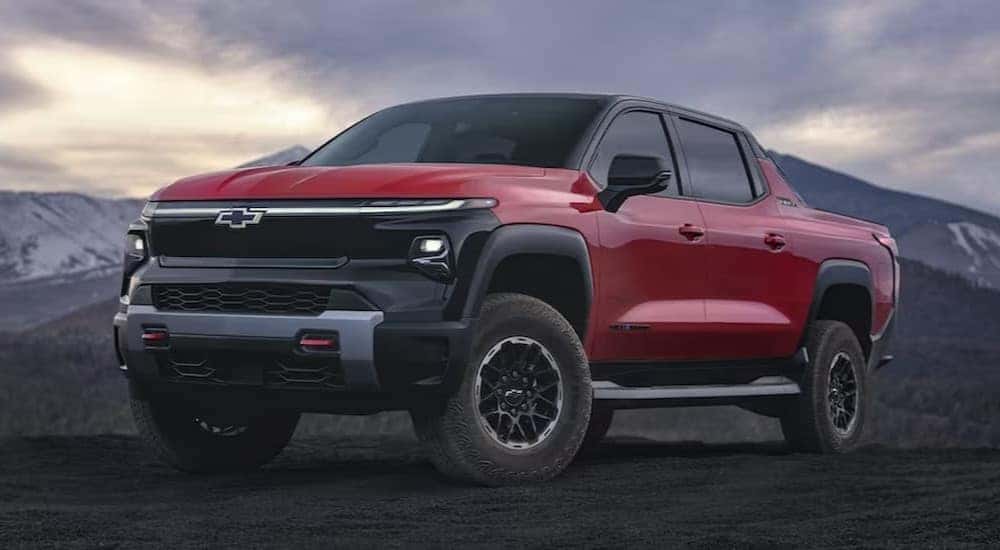
There’s a very good chance you’ve seen advertisements and heard about the various electric vehicles for sale and how they’re changing the scope of the entire automotive industry. Aside from allowing drivers to save money on fuel costs and, in some cases, having the ability to bypass the pump entirely, electric vehicles also demonstrate a growing effort to take better care of the environment. This is a collective approach on behalf of all the manufacturers making bigger strides each year to produce more electric vehicles (EVs) and reduce the carbon footprint left by the internal combustion engine.
As a courtesy to your curiosity, we here at DePaula Chevrolet have taken the time to explain the different classifications of EVs and go over their unique features and attributes. We hope that this information will allow you to make a well-informed decision. Charge up the energy cells and get your notebooks out–school is in session.
Hybrid Electric Vehicles (HEVs)
HEVs have been the most common types of electric vehicles and have been popular for quite some time. Commonly referred to as “hybrids,” these vehicles have offered many drivers the chance to save money at the pump, and many can be found for an affordable price. HEVs operate with a conventional gasoline or diesel-fueled engine, which provides forward propulsion. This engine is then paired with an electric motor that increases performance and assists the engine when idling to conserve fuel consumption while not hindering the vehicle’s performance.
Unlike some of the other electric vehicles we’ll discuss later, the electric motor isn’t charged by an outlet or charging station. The motor is powered by a system known as regenerative braking. Instead of wasting the energy spent during this process, the energy is recycled. The electric motor stores the energy and places it back into the battery for future use.
Hybrids usually come in two different forms. There are mild hybrids that utilize the process that we just described but utilize the regenerative braking process to keep the engine running when the vehicle has come to a complete stop or can even be used to add to the vehicle’s torque or other aspects that increase performance. There are also what are known as full hybrids. These operate using more performance-oriented electric motors that can power the vehicle for short periods of time. Full hybrids are known for their conservative fuel consumption and are more efficient than mild hybrid systems.
Plug-In Hybrid Electric Vehicles (PHEVs)
PHEVs have been gaining traction in terms of popularity in recent years, most notably among the SUV vehicle class, which allows many drivers to save money on fuel costs. They operate similarly to a hybrid but also have notable advantages that hybrids lack. PHEVs operate through a setup that includes an electric motor in conjunction with a gasoline or diesel-fueled engine. Unlike a conventional hybrid, the electric motor of a PHEV can be charged at either a station or in your own home. One of the advantages that many drivers enjoy regarding PHEVs is that they can be powered by the electric motor for short distances.
This makes them ideal for short trips around an urban environment. Distances of electric-only driving vary upon make and model, with the average ranging anywhere from 15 to 30 miles. Many setups are designed to operate either using only electricity or the combustion engine on its own, with an additional option to use both at the same time for increased performance and better fuel economy. It’s important to keep a PHEV properly charged, as this is what will keep your fuel economy at its most conservative. Similar to conventional hybrids, PHEVs utilize regenerative braking to store energy, with the electric motor working as a generator.
Battery Electric Vehicles (BEVs)
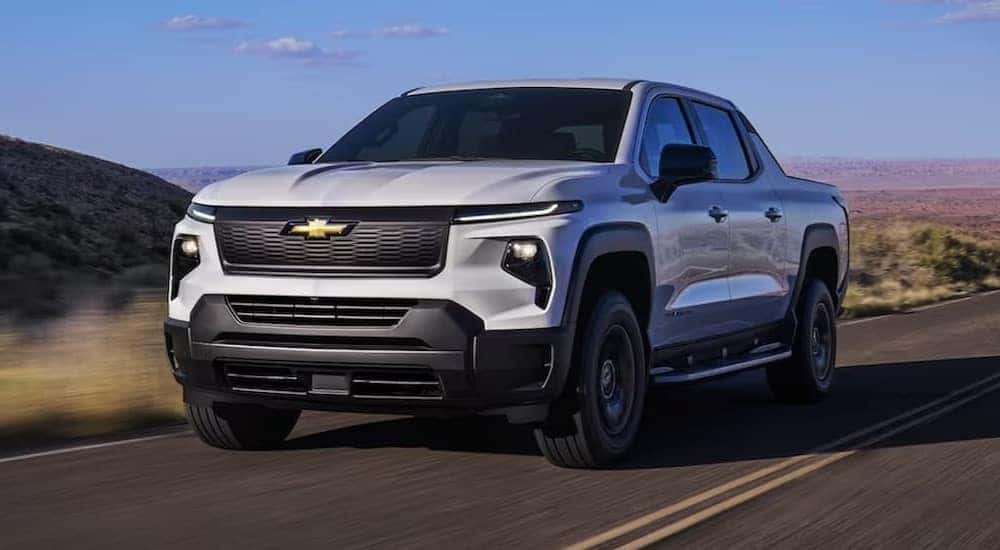
There’s perhaps no other item that’s garnered more interest from the public than the advent of the all-electric vehicle. Years ago, it might have been thought of as impossible to have a multitude of different vehicles that were solely powered by electricity. Not only are these options available, they’re becoming increasingly more accessible than ever and proving to be just as efficient and capable as their gasoline-powered counterparts. Look no further than vehicles like the all-electric Chevy Silverado 1500 EV, which is just as capable on the worksite as anything offered by the competition.
As you might have already deduced from the name classification, BEVs are powered solely by electricity. BEVs cover a wide range of vehicles, from sedans and SUVs to commercial work vans and pickup trucks. Because there’s no gasoline-fueled engine, BEVs are charged at a.station, while some can be fully charged using an outlet in your home. An electric motor is powered by a battery, which in turn delivers power to either the front wheels or all four of them, depending on the type of vehicle you drive. Range and horsepower will also vary. The range on a full charge is typically well over 100 miles, while some can last much longer.
BEVs are highly proficient in city driving conditions, especially with their tendency to contain stop-and-go traffic patterns. Battery power will vary on driving conditions and activities, with highway driving and other activities such as towing or hauling placing a larger strain on the battery. While all-electric vehicles tend to cost more than hybrid and PHEV vehicles, the amount of money that you have the chance to save in fuel costs will certainly allow you to recoup a return on your investment.
What Are Some Other Advantages of Buying an Electric Vehicle?
Perhaps the most discussed advantage is better fuel economy or the chance to circumvent the pump altogether. This has certainly been one of the driving forces behind the rise in popularity of EVs in recent years. However, there are other advantages as well. Many manufacturers cover hybrid components for lengthy periods of time, more so than conventional powertrains.
You’ll also notice a major financial incentive at tax time, as the purchase of an electric vehicle entitles you to a rebate. This varies by make and model. For instance, Tesla vehicles don’t qualify. Most importantly, deciding to go electric is a great way to do your part in being more environmentally conscious. Taking care of the planet we call home for future generations is a responsibility we all share.
Looking to Go Electric? We Can Help
Now that you have a better understanding of how the different types of electric vehicles function and what they can do to benefit you and the environment, isn’t it time you made the switch and went electric? If you’ve been considering doing so, we’re here to assist you in making the transition at DePaula Chevrolet.
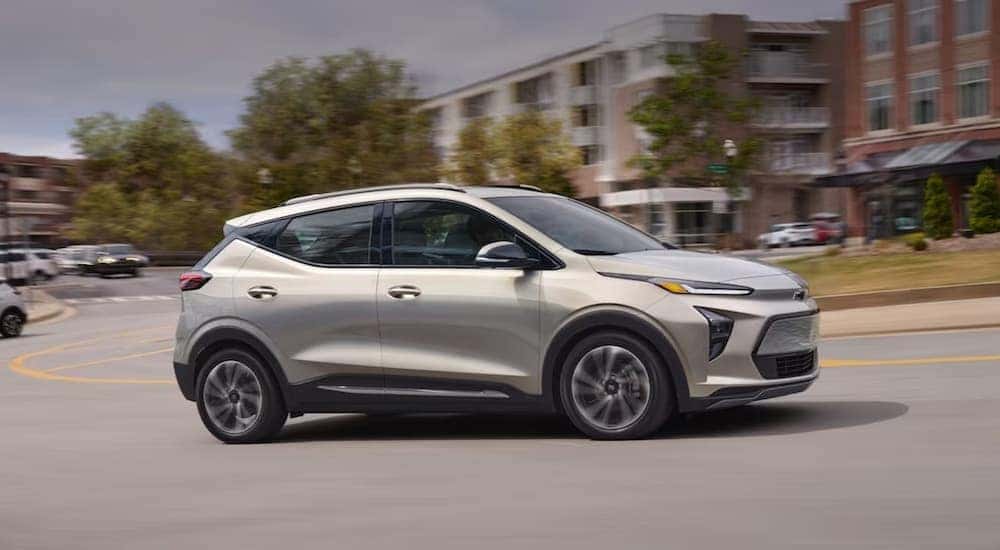
Not only do we carry the all-new Chevy Silverado EV and the Chevy Bolt EUV, but we also have plenty of other used makes and models that can ease the stresses of unpredictable fuel costs. Our team will go over each one and assist you in purchasing the one that perfectly suits your needs. Whether you’re in the market for an EV, looking to obtain financing, or just need some routine service, we’re here to help. Make this the year where you go electric!


0 comment(s) so far on Electric Vehicles Explained: The Differences and Advantages of Going Electric