


From Then to Now: Tracking the Evolution of the Chevy Silverado 1500
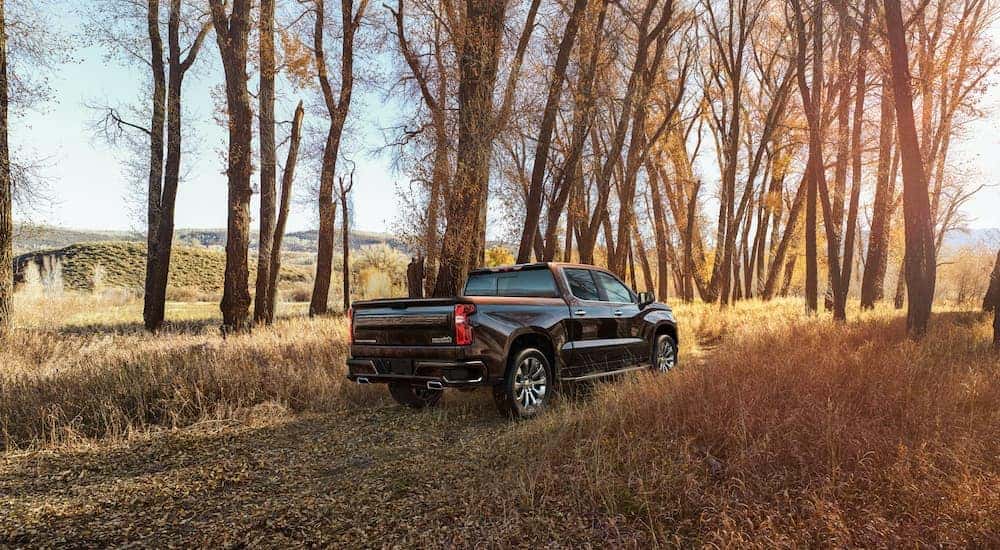
There are two different ways to look at the Chevy Silverado 1500. On the one hand, Chevy has been manufacturing some of the country’s most beloved vehicles for over 100 years. On the other hand, the Silverado 1500 model as we know it has only been around since 1999, a relative newcomer in the automotive world. Therefore, when tracing the evolution of the Silverado 1500, one has to look at the big picture before narrowing in on the most recent iteration of Chevy’s best-selling truck. It can be especially helpful to understand the model’s changes over the years if you are in the market for a used Chevy Silverado.
We live in a world where technology has a significant impact on the vehicles we drive. The idea of having a battalion of cameras and radar sensors helping us drive safely is standard in most vehicles, and being able to have a phone conversation while doing a little hands-free cruising down the highway is a normal concept. However, there was a time not too long ago when all of these features were the stuff of science fiction. So how did the Silverado 1500 go from being a well-respected workhorse to one that caters to the needs of workers, commuters, and families alike? Take a look at the evolution of the Silverado 1500 to see how Chevy turned 100 years of truck-building expertise into one of the most beloved trucks on the road today.
Chevy Trucks: The Early Years
To understand the long-running success of the Chevy Silverado 1500, it’s important to step back a few decades to examine the Silverado’s roots. With ancestors like these, it’s easy to see how Chevy could quickly perfect and sustain the formula for creating a dependable and powerful truck that could meet the needs of so many drivers. The first Chevy truck was the Model T, which was introduced to the American public in 1918. The model was offered in half-ton and one-ton versions so drivers could select the truck most appropriate for their lifestyle. That being said, these early trucks topped out at 36 hp and included just the engine and chassis. Drivers could then outfit the rig with a cab/bed configuration, van body, or whatever features would make it useful for its new role in life.
The 1929 Stovebolt was Chevy’s next contribution to the slowly emerging world of automobiles for work purposes. Once again, innovation was at the forefront as Chevy introduced a new feature: an enclosed cab. While being able to drive in all types of weather is something we take for granted today, this was the first time a truck had an enclosed cab. It was also the first time an inline-six engine appeared in a truck. With its 46 hp and 125 lb-ft of torque, the Stovebolt was intended to be a delivery truck for mail order services, thanks to its blistering fast speed, historically speaking.
The First Silverados
Following the success of the Stovebolt, Chevy spent the next five decades or so perfecting their truck-building chops. The now-famous C/K line of trucks dominated for years, and in 1975, the American driving public met the Chevy Silverado for the very first time, as the Silverado package was an option for the most luxurious trim of the third-generation C/K truck. That meant lots of chrome, velour seating, noise-dampening cabin technology, a premium AM/FM sound system, as well as heating and air conditioning to keep the cabin cozy all year long.
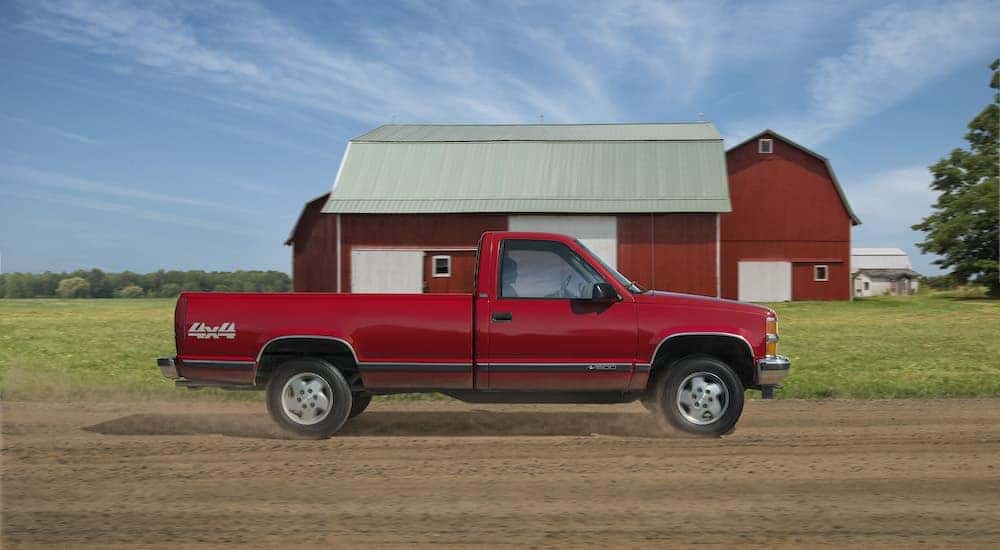
The C/K line underwent many changes, and in 1988, the line was replaced with the Chevy GMT400 series. However, the Silverado badge was well-known as a top-shelf trim, so Chevy continued to call the luxury trim by this name. When Chevy was ready to debut a new truck series in 1999 built around what actual drivers needed, calling the new lineup by the Silverado name was a clear choice. Besides, this new model included plenty of features that bent the rules of what pickup truck drivers expected. Rear-seat passengers finally had room to stretch their legs, and drivers could enjoy knowing that the Silverado borrowed its engine design from the one and only Chevy Corvette.
Furthermore, drivers could customize their Silverado by selecting between engine, cab and bed configurations, trims, and optional packages, allowing for up to 42 combinations. Experts across the country agreed that Chevy had completely revolutionized the full-size truck market when it introduced the Silverado. For once, drivers could get the truck they needed, directly from the factory, instead of making do with modifications and compromises.
The Silverado’s Legacy of Powerful Engines
Today’s Silverado 1500 comes in a variety of trims, ranging from the base Work Truck to the off-road-ready Trail Boss and ZR2 to the truly luxurious High Country. Furthermore, drivers can still choose between regular, double, or crew cabs and short, regular, and long boxes. One area in which the Silverado has evolved is performance. The 1999 Silverado 1500 featured a 5.3L V8 engine that was good for 270 hp and 320 lb-ft of torque. Those aren’t bad numbers, even by today’s standards. However, the needs of the public have evolved over the past several decades, and today’s 1500 models offer four different engines, ranging from a 2.7L turbocharged inline-4 that offers 310 hp and 430 lb-ft of torque to the 6.2L EcoTec3 V8 and 3.0L Duramax Turbo-Diesel, giving the Silverado 1500 its towing max of 13,300 lbs.
Some of the most significant changes to the Silverado 1500’s personality occurred with the third generation, which was introduced in 2014. Chevy introduced three new EcoTec engine options in this complete overhaul, including the two V8 options we know and love today. Also on board were the still somewhat new infotainment features we now require, such as connectivity with Pandora and voice activation. The EZ-Lift tailgate was still in its early years and was re-designed to be more helpful in the third generation, while Chevy’s corner step bumper was newly standard.
Continuously Tweaking the Recipe for Success
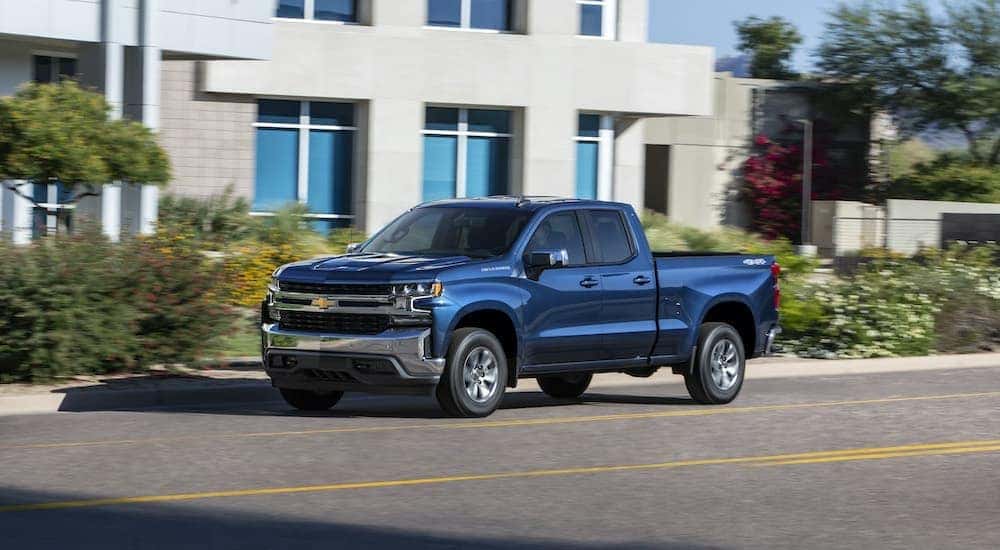
Now in its fifth generation, it’s easy to recognize the ancestors of the Silverado 1500 in the models we see on the streets today. The features once considered the pinnacle of luxury, like a rear seat that won’t give passengers a charlie horse, AM/FM radio, and power-operated windows, are all things that Silverado 1500 drivers can take for granted. Over time, the Silverado 1500 has evolved to meet the needs of the public, including off-road ready models, advanced technology, and increasingly luxurious cabins as drivers climb the trim levels.
However, the essence of what makes a Chevy Silverado 1500 remains unchanged. These trucks are intentionally driver-friendly, with a mind-boggling number of customizations that can help drivers design a purpose-built truck. As a result, drivers are consistently happy with their Chevy trucks, making them some of the many lifelong Chevy customers. Has the Silverado 1500 changed since its debut? Absolutely, but only in ways to make it more significant as a leading American pickup truck. As we head into an electric future, many experts are confident that the Chevy Silverado has created an indelible imprint on the blueprint for pickup truck design and will continue for many decades to come. And if you’re looking to experience this history up close, we welcome you to visit us at DePaula Chevrolet and let us help you get behind the wheel of a great new or used Chevy Silverado model.


0 comment(s) so far on From Then to Now: Tracking the Evolution of the Chevy Silverado 1500