

Most Important Items for Your Chevy Maintenance Checklist
Getting your vehicle serviced and inspected regularly is a smart decision to protect the investment you’ve made in your Chevy. Following the guidelines in your owner’s manual is the best way to keep your Chevy running as long as possible, so you get the most life out of your vehicle. When you visit a service center like the one at DePaula Chevrolet, you know you will get the proper Chevy service according to the manufacturer, so your vehicle gets the best care. With proper maintenance, you can avoid unnecessary breakdowns or dangerous problems that can result in expensive repairs. What are the most important items in maintaining your Chevy? We put together a list of items to keep in mind for your next service visit.
Oil Changes
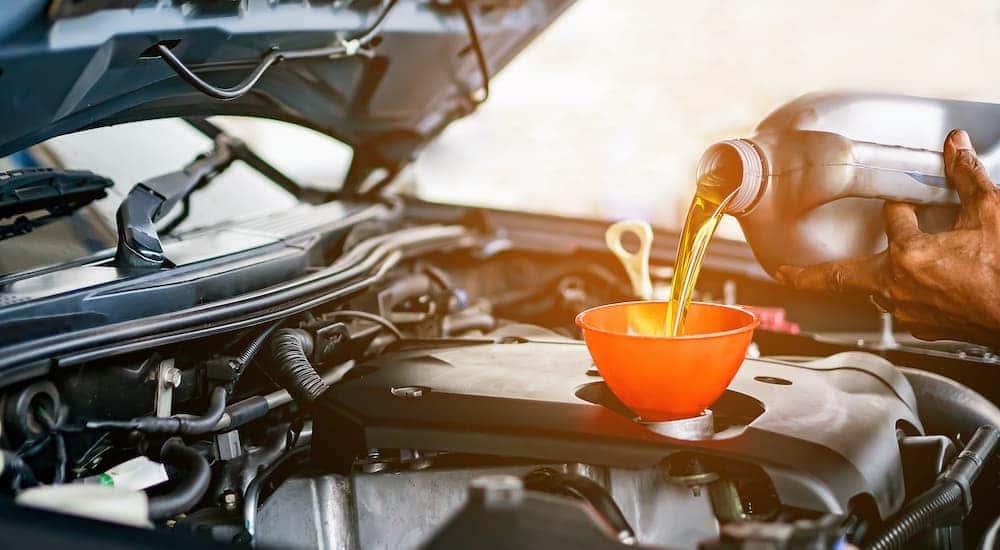
Most people are aware that oil changes are one of the easiest ways to keep your vehicle running smoothly, but not everyone understands why or how often the oil should be changed. The function of oil in the engine is to keep moving parts lubricated. For instance, pistons move as part of the combustion process, which is what gives the engine its power to move your vehicle. If the pistons don’t have proper lubrication, friction can cause a lot of problems in the engine, and it can eventually lead to the engine seizing. This is a catastrophic issue that can result in the engine needing to be replaced, a very expensive repair. Every vehicle should have monthly oil checks to top off oil if it needs to be added for proper lubrication, especially if you drive your vehicle frequently in stop-and-go traffic.
Oil should be changed according to the guidelines in your vehicle owner’s manual; use only the type of oil recommended by Chevy to get the best results. Three types of oil are most commonly used in Chevy engines: ACDelco Conventional, ACDelco dexos1 Full Synthetic, or Mobil 1 Full Synthetic. Every engine is tuned differently, and model years may have different tunings that require a specific type of oil. Always check the owner’s manual for the proper type of oil, and then have the oil changed according to the manual. With synthetic oil, most vehicles don’t need oil changes every 3,000 miles anymore, but it is important to have the oil changed at recommended times. This keeps the oil free of particulate matter that can cause the oil to run thick and sludgy, which does not properly lubricate pistons. Having an oil change can also be a great time to get other important systems inspected, too.
Tires
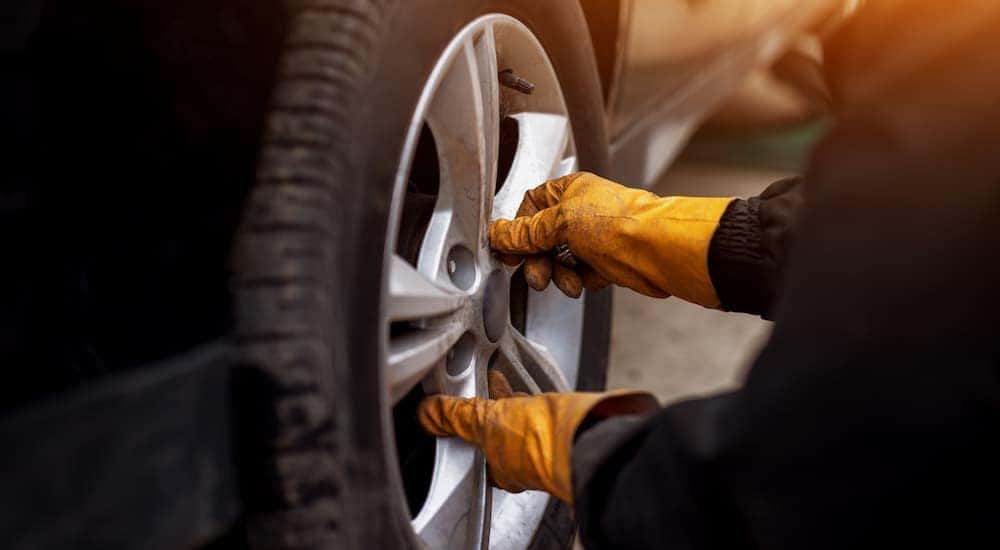
Tires are like shoes for your car. When the tread wears out on your shoes, they lose their grip. The same principle applies to your tires. Worn tread means your tires don’t have the same grip, which means stopping power is lessened. It takes longer to stop, and when the roads are snowy, icy, or have a layer of gravel or sand, you have less control of steering. This results in sliding, a dangerous situation, especially at an intersection.
Treadwear also tells a story of what’s happening with your suspension or wheel alignment, as uneven wear can indicate a need for repairs. Tire air pressure is another factor to consider, as low pressure can have similar results to worn tread, and high pressure can cause tires to become misshapen and wear improperly. Bringing your Chevy in for maintenance should always include a tire inspection, and you should always fill your tires as soon as the tire pressure indicator light comes on in your instrument display.
Brakes
Much like the tread on your tires, the brake system is integral to safety. It probably goes without saying that brakes should be checked at least yearly for signs of wear so you know your vehicle can stop on a dime. Everything from the rotors to the brake pads needs to be inspected, so the health of the entire brake system is intact. Signs of worn brakes can include a spongy, soft feel to the pedal when depressed, a scraping or squealing sound when the brakes are engaged, or needing to press harder than normal to come to a complete stop. These signs should be taken seriously if you notice them while you’re driving, and having your brakes checked right away can prevent brake failure.
Coolant Levels and Radiator Health
Coolant, or antifreeze mixed with water, is a fluid that circulates through the engine via a pump that helps prevent the engine from overheating. This is especially true in warm or hot weather, which is why engines typically overheat in summer rather than winter. One thing is certain: you need to keep coolant levels high enough to maintain the engine’s temperature. If the levels fall too low, the radiator can’t keep up with the demands of the pump as it calls for more cooling, and then you have an overheating problem. This will shut down the engine, and you will see steam billowing from beneath the hood. Never touch a radiator cap when this happens! Always wait until your Chevy cools down before opening the radiator, which is under extreme pressure when hot.
Check your coolant levels every month if you drive an average amount, and always top it off before taking a long trip, especially in warm or hot weather. Flushing the system every year or two will remove any particulate matter from the system, which can clog the pump. An inspection of the pump, radiator, and hoses should be done yearly, so the entire system works efficiently.
Belts and Hoses
Every gas-powered engine has numerous belts to move parts and hoses to move fluids. Each belt and hose has a specific function in the engine, and when they start to lose integrity, they are in danger of snapping or bursting. In the case of belts, the rubber can become brittle and will crack or fray, which can then snap. Hoses can also crack or bulge from age, which then can cause a leak. Depending on the type of fluid leaking or spraying under the hood, this can cause fires or create other problems that cause systems to fail. Having the belts and hoses inspected every time you get an oil change is a good idea so you can be assured that your vehicle will avoid dangerous leaks or loss of power.
Battery
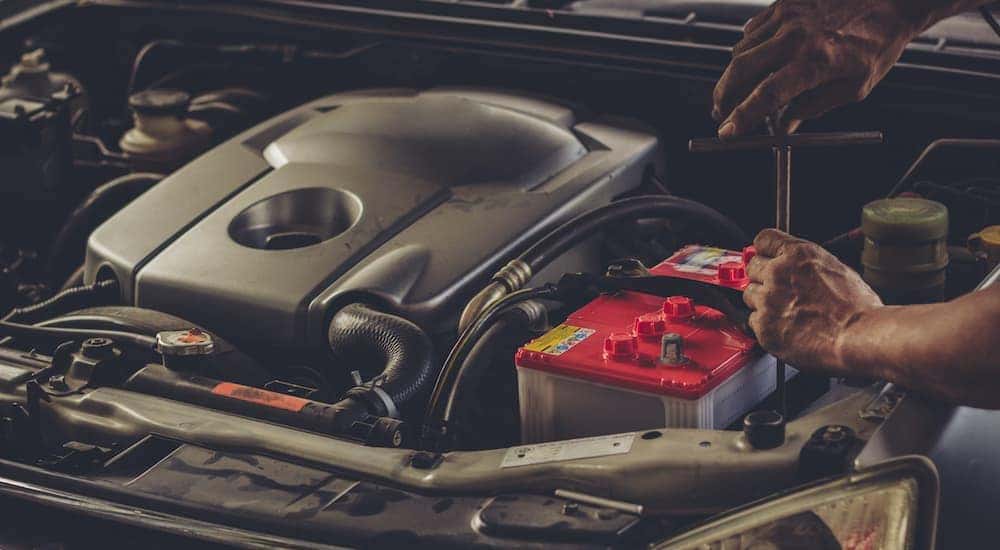
After about three years of average driving, the battery should be checked every six months for signs of corrosion or failure. When the battery fails or dies, your vehicle won’t start at all. Sometimes a jump is enough to get the alternator to charge the battery, so it runs the electrical systems, but if the battery power is already too low, it may fail again when you turn off the engine. Extremely cold temperatures, especially below zero, can drain a battery if you haven’t started your vehicle or driven it recently when the battery is already low. Before you have trouble starting your vehicle, get the battery tested during a six-month inspection or when you get your Chevy’s oil changed.
Spark Plugs
When things aren’t working quite right in your vehicle’s engine, the spark plugs can tell a service tech what’s wrong. Checking spark plugs for signs of misfiring during ignition, burning fuel improperly, or damage from the combustion process can lead to catching engine trouble before it goes too far. Spark plugs ensure proper ignition, and without them, the engine won’t fire. Keeping them clean and having them inspected means you know your engine always starts the way it should. This should be done when you have yearly check-ups, especially after driving 80,000 to 100,000 miles.
Maintenance Schedule
Remember to put your Chevy’s maintenance on your calendar, so you know your vehicle is ready for the road and safe to drive. Though most vehicles today are safer than any other time in history, there are a lot of systems to maintain properly. Staying on top of maintenance is much less expensive than having to pay for repairs when systems or parts break down. Newer Chevy models have access to the myChevrolet app, which provides owners with maintenance reminders. Using this convenient technology can help you stay on top of regular service visits, but you can always ask the techs at the service center for guidance about a service schedule if you need help.


0 comment(s) so far on Most Important Items for Your Chevy Maintenance Checklist