

Selling a Used Vehicle
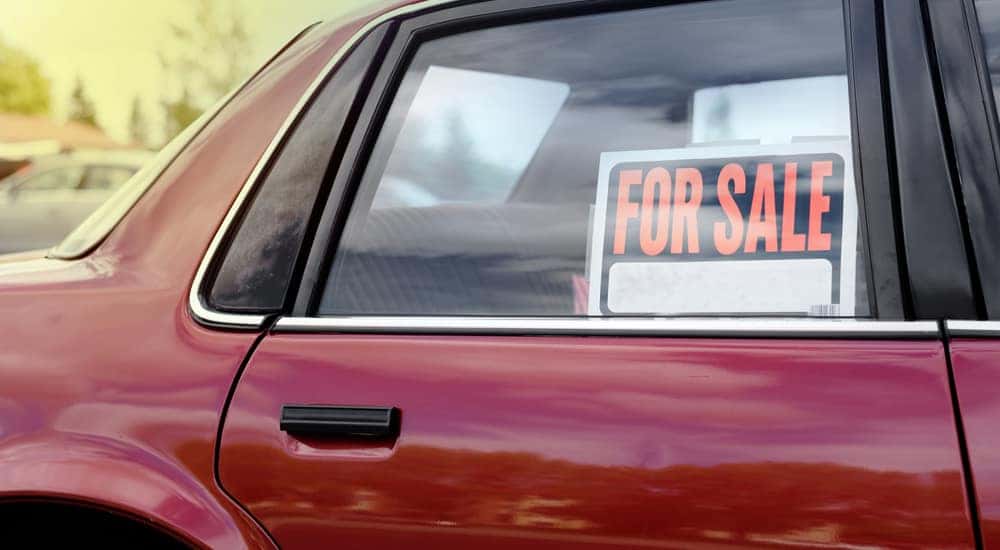
Selling a used vehicle can be a frustrating, confusing experience if you don’t know what you’re doing. Whether you sell it privately or through a dealership, just understanding how a car is valued is difficult. Ideally, all cars would have an objective value that would set the specific price at which you could sell it. Unfortunately, things aren’t that simple.
Selling a car is just as much a subjective thing. In other words, you can’t remove the human element out of a used car sale. Human beings are emotional, sometimes irrational creatures. Anyone wanting to buy a used car is going to want the lowest price possible. For people selling the car, the opposite is true.
This can leave a lot of ambiguity when you’re trying to figure out the true value of your car. Therefore, it helps to have an idea of some of the factors that influence this value. From the condition of the car to the nature of the potential sale, there are plenty of things that can determine how much you will get.
Physical Factors
It’s no secret that the biggest influence on a used car’s value is its condition. Something that has been taken care of, regardless of its age, will usually have a higher price tag than a junker. But things are a little bit more complex than that.
Age is an important factor when it comes to the condition of the car. Simply put, the older the car is, the more likely its condition is poor. This will largely depend on how well you have maintained the vehicle over the years. The number of owners is also important since some owners care for their vehicles more than others.
The vehicle’s history is usually a good indication of how well it has been maintained over the years. Sometimes, this is even more important than the age of the car itself. If a used vehicle has changed hands multiple times or was salvaged after an accident, it may be in worse condition than something that has been under the care of a single owner. A history full of regular checkups, engine upgrades, oil changes, and the like, on the other hand, will be better.
If your car is in poor condition, it may be worth a small investment to repair it as much as possible. Even a basic maintenance upgrade such as a battery or oil change can influence the price. Ideally, you will make this vehicle as new as possible within the realities of your budget.
Baseline Standards
Since so many used cars come in many different conditions, most dealerships and car seekers start with a baseline evaluation of a particular make, model, and year. Sources like Kelly Blue Book publish these estimated valuations each year so people can easily look up the worth of a potential option or their own car.
It is a good idea to look up the value of your vehicle to see what information others may be using as well. Keep in mind that this is only a starting point. Most people, including owners selling their own vehicles, will deviate from this point depending on the condition of the vehicle. Newer, more well-maintained vehicles will often increase the price tag from this starting point.
Sometimes, people also use this baseline value as a starting point for negotiation. This is where the human factor comes into play.
Mental Influences
It is tempting to worry about a negotiation. After all, going back and forth over the value of your car with another person is not a walk in the park. Many people find haggling to be stressful, unnecessary, or both. While it can be stressful, it is far from unnecessary. In order to find a point where both parties are happy, negotiation is often required so everyone feels the car’s value is acceptable.
Unless you are dealing with a dealership that has a no-haggle policy, you should expect some form of negotiation when determining the final price of your vehicle. This is a highly subjective process that is influenced by many different factors. Thankfully, it isn’t as difficult as it sounds. Most importantly, remember that you are in control of half of the equation.
If you don’t want to sell your car because negotiations fail, you don’t have to.
The negotiation process is like a game of tug-of-war. As the owner, your starting point will be high. Anyone interested in buying the vehicle will start low. Since everyone wants to maximize the deal in their favor, typical haggling will include trying to increase or decrease this price, including additional incentives, or simply trying to persuade the other person.
The best thing you can do is try and understand what the potential buyer wants to gain. In other words, ask them direct questions before or during the negotiating process. Even something as simple as “What is your bottom line price?” can eliminate a lot of the ambiguity that comes with haggling.
Be Realistic
More than anything else, it’s important to have realistic expectations about the value of your car. Many owners try to sell their used vehicle at a higher price point on the off chance that someone might actually pay. While this is a possibility, it is a highly unlikely one. Since potential buyers are limited by budgets and have other options to consider, you will rarely have that much room to demand a higher price.
By taking into account all the physical factors that can influence a car’s value in addition to the mental priorities everyone brings to the table, you can have a more realistic perspective. At the very least, maintain a degree of common sense.
Put yourself in the shoes of the potential buyer. What would you spend on a used vehicle similar to your own? How would you approach the negotiation process? If you don’t find the price or deal attractive, others won’t either.
Having some help doesn’t hurt either. For assistance selling your car or pricing it, contact DePaula Chevy.


0 comment(s) so far on Selling a Used Vehicle