


Types of Brake Pads
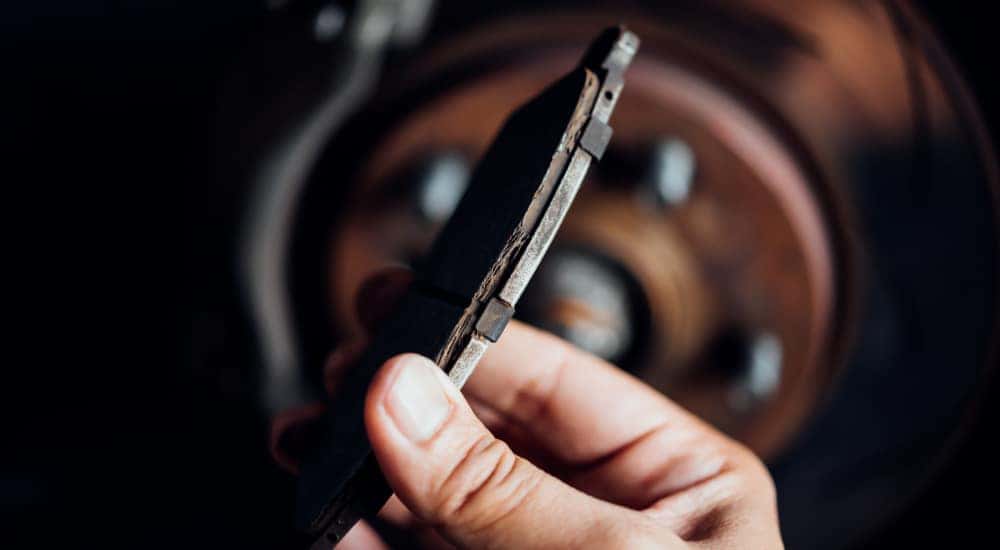
There’s no denying that the condition of your brakes is crucial when it comes to safety and performance on the road.
If you find that you’re in need of car brake repair, you might want to consider what kind of brake pad will best suit your driving…and braking needs.
A Quad of Brake Pad Choices
If you hear that awful and unmistakable screeching when you apply pressure to your brakes, that is a surefire sign that it is high time for new brake pads.
Even worse, that grinding noise you might also be hearing indicates that the brake rotors are taking a serious beating and those brake pads need replacing – stat!
Make sure you consult your vehicle owner’s manual for specifications on how often you should replace your brake pads and the kind you should choose.
Most cars and trucks use one of four main types of brake pads. They are semimetallic, nonasbestos organic, low-metallic NAO, and ceramic.
With semimetallic brake pads, the formula is made up of a range between 30-65 perent metal, and is usually enhanced with chopped steel wool or wire, copper or graphite mixed with inorganic fillers, iron powder, and friction modifiers, which hold all of these ingredients together.
Although these are among the most durable brake pads, and do an outstanding job transferring heat, semimetallic brake pads can also tax the rotors at a faster rate, are quite noisy, and might struggle to maintain their performance levels when the temperature drops.
In the case of nonasbestos organic brake pads, (which can also be labeled organic or NAO) fibers from glass, carbon, rubber, and even Kevlar make up the pad, and are also held together by fillers and resins able to endure high temperatures. The feel is softer, and the pads are quieter, but they erode quickly and leave lots of dust.
Low-metallic NAO brake pads are organically based and contain only 10-30 percent copper or steel, just enough to support heat transfer and enhanced braking capabilities. Here too, expect more brake dust, and a somewhat noisier performance.
The most expensive of these four brake pad choices is the ceramic option, which is made from, that’s right – ceramic fibers – as well as nonferrous fillers, bonding agents, and just a scant amount of metal. These brake pads look lighter, and are generally cleaner and much quieter. The braking action doesn’t stress the rotors, either.
So, if you’re willing to shell out a little extra, choose the ceramic brake pads.
Staying on top of your vehicle manufacturer’s recommended service schedule will help you extend the life of your brake pads and enhance your safety on the road.


0 comment(s) so far on Types of Brake Pads